 The Women’s Institute for Freedom of the Press
Pages Are Turning
By Nora Massignotti-Cortese
Nora Massignotti-Cortese is a Chilean American writer, editor and translator with over twenty years experience on newspapers and magazines, with public relations, marketing and advertising agencies. She is a long-time Associate of WIFP.
Reviewing my beginnings in journalism, I endured thresholds prickled with thorns of unusual, dramatic, comic, and embarrassing experiences combined with joy and pride. My story reflects the real challenges that all women face in their everyday lives and work.
At 18, while attending my first semester at the University, I dared to visit
La Nación newspaper offices in Santiago, Chile with the idea of working there So I ventured to enter into the colossal newsroom where boisterous teletypes uttered the news.
Can I help you? A middle-aged man with the face of a good-natured father came out to meet me. I pitched my idea, throwing enthusiastic phrases to the left and right. When I calmed down, he asked me sympathetically: Would you like to be an intern without pay and anonymously? My heart overflowed with enthusiasm.
I was assigned to assist the manager of the entertainment page in reporting the programming of the two TV channels, 9 – University of Chile and 13 – Catholic University. My problem was that I didn’t have a typewriter, not even a TV set. However, I was able to accomplish this task with the help of my aunt Vittoria who “lent” me her Olivetti and a kind neighbor – Señora Teresa – who let me watch TV at her house.
My boss was a gentleman of few words and very relaxed. In the opinion of the other journalists, he was lazy. After being there two months, his nonchalant attitude helped me expand my writings. I developed a Women’s Supplement, which they accepted because I worked alone and even had to sell ads for this publication. The supplement was a success.
After that accomplishment, my boss offered me to be in charge of the entire entertainment section because he would be absent for a long weekend. When I tried to get some clarification or plan about the subject, his immediate response was, “you have editorial independence with a byline.”
I decided to interview Jaime Vadell, a handsome and talented theater and TV Chilean actor. I got carried away by my great fascination for him and made the big mistake of crossing the fine line from objective to subjective journalism. Fortunately, no one found out about my ulterior reasons. The following day, many journalists greeted me with applause, praising my report. However, the accolades lasted until a man that I had never seen before barked out my name. He was the Executive Director.
“Did you write this interview”?
Confused, I said ‘yes.’
“Do you have any idea who Roberto Rossellini is”?
When I tried to answer, he became vociferous. I observed the pained faces of the journalists that were begging me with signs and gestures to be quiet.
“How could you miss a tremendous opportunity to interview the most famous Italian film director”?
“Who the hell is Jaime Vadell and why did you dedicate a whole page to him”?
“YOU ARE FIRED!!!!!
Being a young intern, I did not have the proper authority to interview Rossellini. In retrospect, the irony of this melodramatic and ridiculous incident is that although it hurt me, it was an experience that inspired me to continue with more vigor. Nevertheless, I was just happy to have been published.
So far, I have faced a myriad of prejudice, but the gratification has been more significant. Since then, I have refined my journalistic abilities under the guidance of highly regarded male and female editors. I worked in Washington D.C. for the Hispanic media for over 25 years. My essays, artworks and poems have been published by The Creative Woman, a quarterly of Governors State Universityand by Voices a publication of the Arts and Humanities Program of Lombardi Georgetown University
In 1998, I created the magazines’ MUJER 2000 and Educación Más(under the umbrella of El Tiempo Latino). I interviewed notable women such as Guatemalan activist and Nobel Peace Prize winner Rigoberta Menchu, among others.
No matter what, the journey is littered with so many biases that we women must use coping skills and resilience to survive. We fight twice as hard for our fundamental rights and, unfortunately, reach half of the resolution.
Our efforts to achieve gender equality begin to pay off with the latest appointments of competent and experienced women editors. This action will elevate the level of leadership, even though it will take a century and a half to achieve global parity.
- In September 2011, Jill Abramson was the first woman to become an executive editor at The New York Times after 160 years
- In 2015, Audrey Cooper was named the first female editor-in-chief of The San Francisco Chronicle’s 150-year history.
- In 2020, Monica Richardson became the first black woman executive editor to lead The Miami Herald, El Nuevo Herald, and the Bradenton Herald after117 years
- In April 2021, Alessandra Galloni was named the first woman editor-in-chief of Reuters News Agency after 170 years.
- InMay2021, Sally Buzbee was named the first woman executive editor by The Washington Post after 143 years.
- In May 2021, Laurence des Cars was the first woman Director elected by the Louvre after 228 years.
This phenomenon is centuries in the making. The best illustration of this gender disparity is the Swedish Nobel Prize Academy that, since 1901, has awarded 962 laureates; only 57 women have received this honor.
In 1945, Gabriela Mistral was Latin America’s first-ever NobelPrize winner in Literature. She also was the victim of blatant chauvinism of the Chilean literary society that six years later deigned to grant her the Chilean National Prize for Literature. Since its creation, 50 male writers have been credited with the award –in stark contrast with only five female writers.
For these reasons, a new era of young international reporter platforms is incubating. Groups of experts are forming non-profit projects that will explore opportunities to the fullest extent for journalists of all races, carefully investigating the most immediate and urgent social problems.
The “carpe diem moment” of appointing women editors is turning pages, not fast enough, but at least … we have a chance to hear the vibrant sound of the pages turning.
Nora Massignotti-Cortese
Journalist, Artist, and Poet
Media Ownership and Democracy
Six media conglomerates control 90% of what we read, watch, or listen to. These corporate media all have the same interests as the 1% and it is reflected in their news coverage.
Much of the other 10% of media control includes right-wing, 1% ownership. Media is a lucrative business (print, television, film, video, music, internet businesses, etc.). The total 2010 revenue for the six was $275 billion. The ownerships of the conglomerates change because they keep buying each other up and consolidating. Less than fifty years ago there were 50 companies controlling our information, though the owners all had the same economic interests so it did not make them much more democratic. One effect of consolidation was the loss of local programming and local news.
It is not the wealth they gain that is the most damaging to democracy. Plenty of other corporations rake in wealth and lobby Congress. But the control of the information by the few is serious. They determine what is news, how it is covered, and what to exclude. They portray themselves as objective. Because they are not closed down by the government or interfered with, they imply the U.S. has a free press. These conglomerates have a free press but the people do not.
When journalists and people not employed by these conglomerates try to expose injustices or cover news excluded by mass media, it becomes more evident that the “right” to a free press does not belong to all of us. Julian Assange exposed war crimes and the U.S. government is going after him as if he was the criminal. Chelsea Manning, Edward Snowden, and other whistleblowers have been attacked by the government too with little concern by the media conglomerates. Rather they distort and confuse the issues and join in on the smearing — particularly in the case of Julian Assange.
Media conglomerates have supported wars, foreign interventions, militarism, and given distorted coverage of people’s movements against injustices.
Bernie Sanders on media ownership:
“These 15 billionaires essentially own the media: Jeff Bezos, Michael Bloomberg, Rupert Murdoch, Donald & Samuel Newhouse, Cox Family, John Henry, Sheldon Adelson, Joe Mansueto, Mortimer Zuckerman, Barbey Family, Stanley Hubbard,Patrick Soon-Shiong, Carlos Slim Helu, Warren Buffett, Viktor Vekselberg. Behind the scenes, the billionaires control the
news.”
Having media democracy and freedom of the press is crucial to correcting all injustices and taking care of the needs of all people, not just the rich.
What we need is more equality in outreach.
We need to support and defend independent news sources and information.
We need Internet access and net neutrality.
We need discussions and critiques of what must be done to have media democracy, to have freedom of the press for all, not just the few wealthy conglomerates.
We need media literacy so that people realize that it matters where they get their information.
We need to expose the myth that these media conglomerates are objective while others who disagree are portrayed as biased.
What we need is media democracy if there is to be real democracy.
_______________
A few media ownership links:
https://www.freepress.net/issues/media-control/media-consolidation
https://www.pbs.org/moyers/moyersonamerica/net/timeline.html
https://www.filmsforaction.org/articles/why-does-the-us-media-lie-so-much/
https://www.filmsforaction.org/watch/media-concentration-its-kind-of-a-bad-thing/
Freedom of the Press Requires Support of Whistleblowers
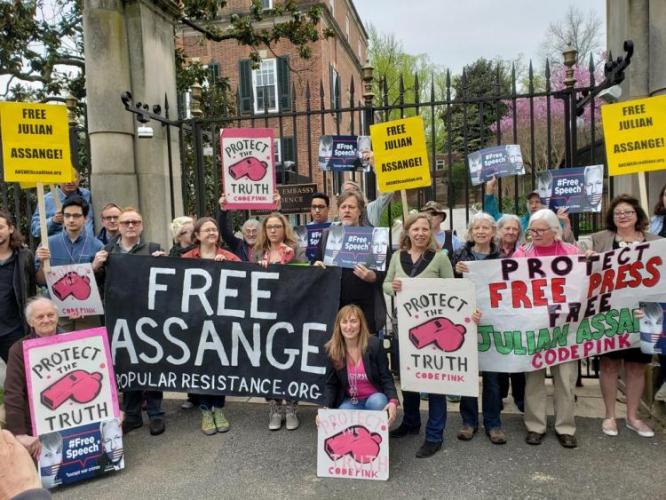
We do not have freedom of the press in this country if those who expose what our government is doing are prosecuted. We need the information that Julian Assange, Chelsea Manning, Edward Snowden, and others have made public at great personal cost.
We do not have freedom of the press if the corporate media are the only ones who the government doesn’t go after when journalists and citizens speak up. Over 90% of the media is owned by five conglomerates, and most of the other 10% are also owned by the wealthy. If independent media and citizens cannot communicate our information without harassment and prosecution, then this is extremely serious.
Secrecy by our government and military, including extrajudicial killings and human rights abuses, spying on citizens, and other undemocratic actions, is not acceptable. We are grateful for those who shed light on all injustices and crimes by our country. We must lift the veil of secrecy. We must not be silent when whistleblowers and independent media become scapegoats.
The treatment of Julian Assange and Chelsea Manning have been subjected to outrageous treatment. This is the time when speaking out about what is happening in the Julian Assange case is critical. We must not be swayed by the silence and complicit coverage of the corporate media.
No one has been harmed by the release of the information by these whistleblowers. The knowledge of what is going on is crucial to correct injustices and expose illegal actions. Chelsea Manning went to trial and no harm was shown resulting from Manning’s action. After four years of the release of the information by Manning, at the time of the trial there was still no one shown to be harmed. The government doesn’t want to have a discussion about what has been done. Rather they want to have a conversation about what might happen if no one trusts them or if journalists investigate them.
Julian Assange exposed actions by the U.S. government and embarrassed them so the U.S. is set on extradition. There have been efforts to get him for a while but now they are getting close to success. The U.S. government knows if he gets away with exposing U.S. war crimes and other actions, then there could be more. They want to make clear to independent media, as well as the generally supportive corporate media, that they will not tolerate exposures like this.
Assange had over six years of arbitrary detention after he sought asylum in the Ecuadorian Embassy in London. Now the court prosecution in Britain and the U.S. extradition effort presents dangerous precedents. If they get away with this effort, any journalist who publishes information can face prosecution and jail. Anyone who publishes leaks is at risk and will think twice about exposing injustice. Freedom of the press will be unavailable for the most serious abuses.
We cannot rely on the corporate mass media to tell us what is going on. They are mostly silent and do not bring out the important issues. Search out the information of how the Assange trial has been conducted and what can be done. We cannot be silent in the face of this extreme violation of press freedom going on right now.
On January 4, 2021, a British judge will rule on whether Assange should be extradited to the U.S.
Update: The extradition of Julian Assange was halted by the judge at Westminster Magistrates Court. The U.S. is appealing to the High Court to overturn this decision. They intend to try him under the Espionage Act in the U.S. where he could face a 175 year sentence. We must prevent this outrageous abuse of press freedom.
A few resources:
Guardian editorial: https://www.theguardian.com/commentisfree/2020/dec/18/the-guardian-view-on-julian-assange-do-not-extradite-him
Background articles:
https://www.aljazeera.com/news/2020/12/20/julian-assange
https://theintercept.com/2020/10/06/julian-assange-trial-extradition/
2020 Women and Media Award
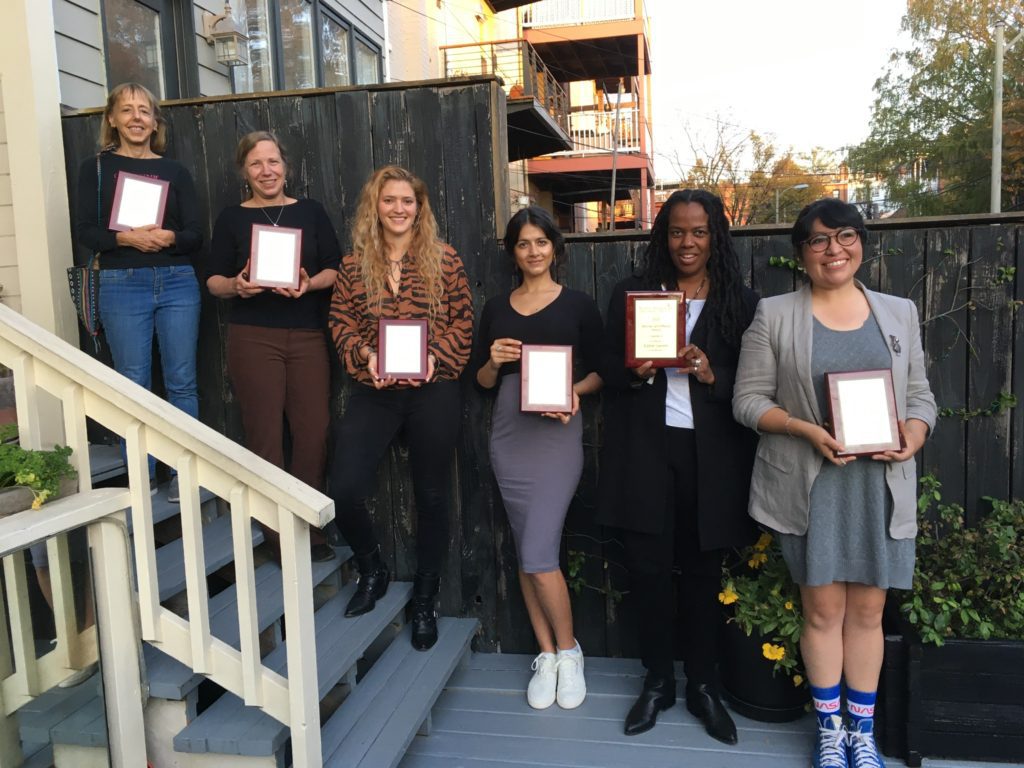
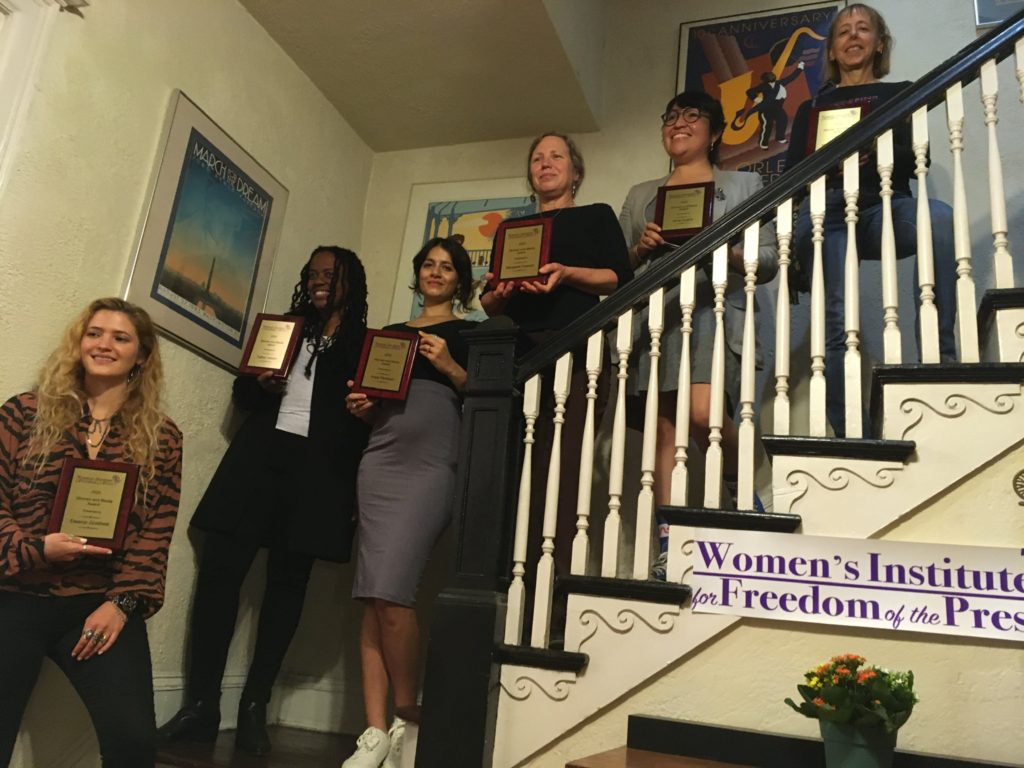
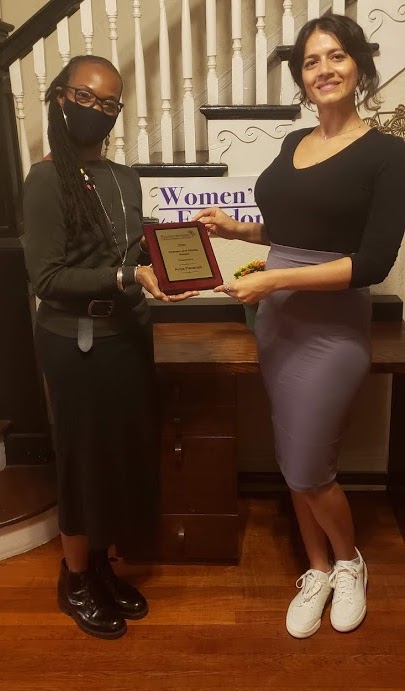
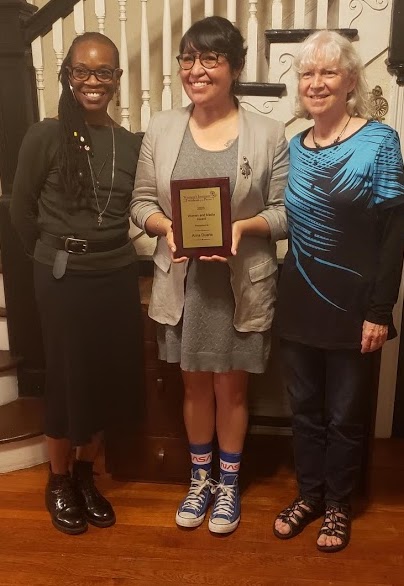
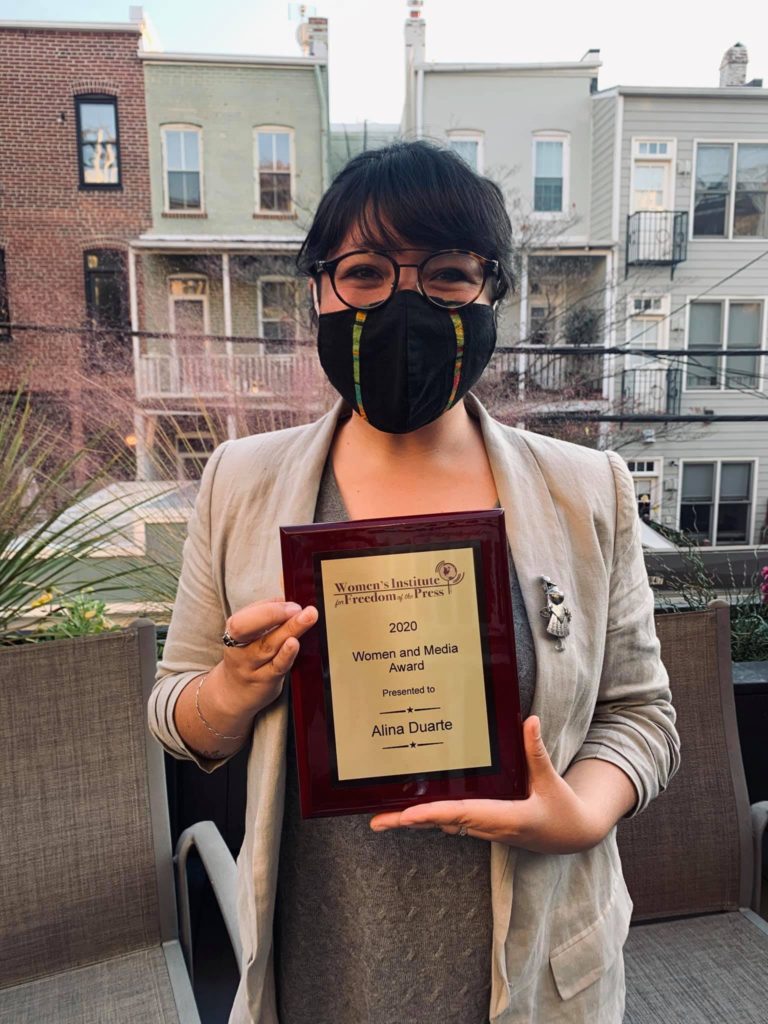
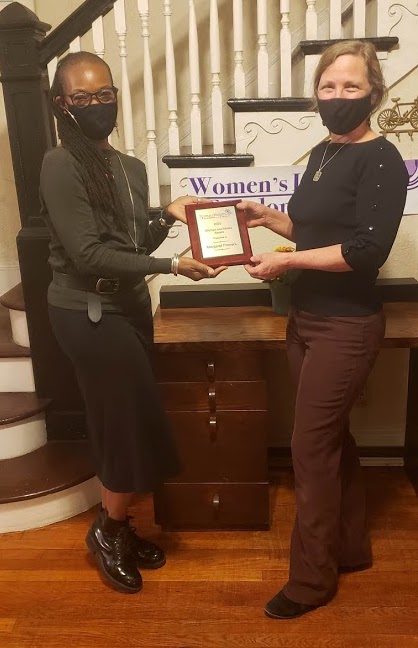
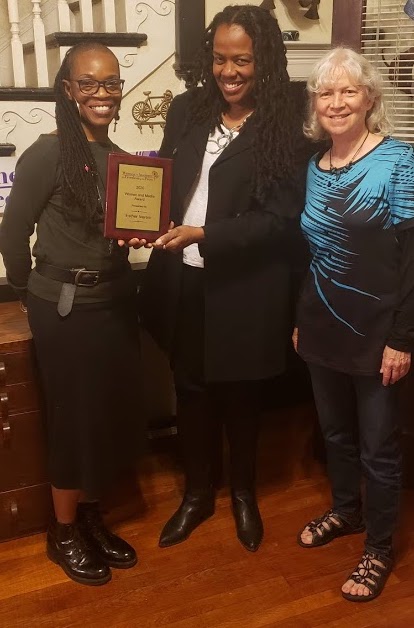
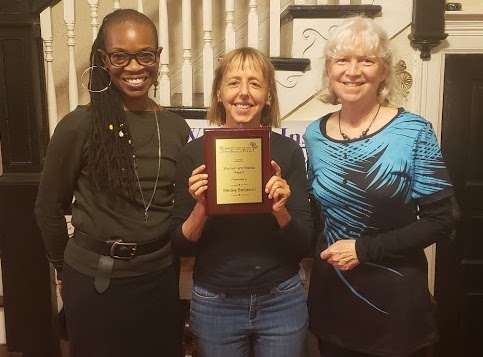
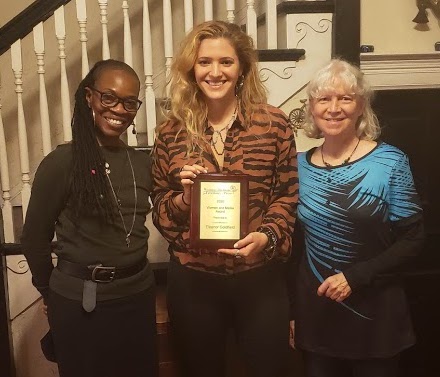
On November 8th the Women’s Institute for Freedom of the Press presented six outstanding media women each with the annual 2020 Women and Media Award: Anya Parampil, Alina Duarte, Esther Iverem, Medea Benjamin, Dr. Margaret Flowers, and Eleanor Goldfield.
The Women and Media Award is given to those who make substantial contributions on behalf of media democracy. WIFP is honored to have this opportunity to recognize their work.
The exceptional contributions each of these media women are making will be evident as you explore their work. When it is challenging to get accurate and reliable information in our current media environment, voices as these are invaluable. Be sure to support these first-rate reporting and creative endeavors.
Anya Parampil
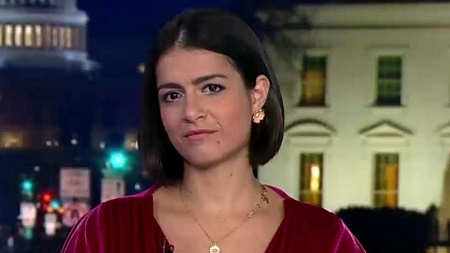
Anya Parampil is the host of “Red Lines” at The Grayzone. She has produced and reported several documentaries, including on-the-ground reports from the Korean peninsula, Palestine, Venezuela, Honduras, and Bolivia.
https://thegrayzone.com/red-lines/embed/#?secret=j70ayzeUD0
___________________________________
Alina Duarte
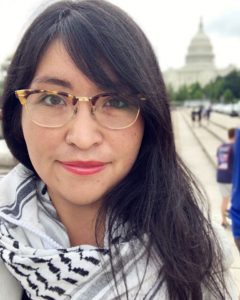
Independent Journalist
Former Producer and Correspondent Mexico & U.S. for TeleSUR
Former Correspondent for La Radio del Sur, Caracas, Venezuela
“I am a Xochimilca journalist, feminist, socialist, anti-imperialist, anti-capitalist and anti-fascist.”
“I am originally from a magical place in the south of Mexico City called Xochimilco, specifically from a town at the top of the mountain called Santa Cecilia Tepetlapa.”
“I also assume I am a feminist. In a country marked by 10 femicides a day such as Mexico, talking about gender violence is talking about daily life in our homes, schools, factories, streets, talking about violence everywhere. Not only is patriarchal violence going through us like millions of women in the world, in Mexican territory we are also going through a civil war that was falsely called by Felipe Calderón in 2012 “ war against drug trafficking ” but that in reality was a civil war that destroyed our country and whose consequences we continue to pay every day, especially women, our women’s bodies are trafficked, raped, beaten, violated in a thousand ways every day. It seems that being Mexican implies that speaking out as a feminist is only a matter of time, it is trying to avoid that death sentence that becomes inevitable for you and for the women around you. I discovered violence after violence, bullet after bullet. The names of the women we most admire, love, love, have become plaques on monuments and on the streets that demand justice.”
___________________________________
Margaret Flowers
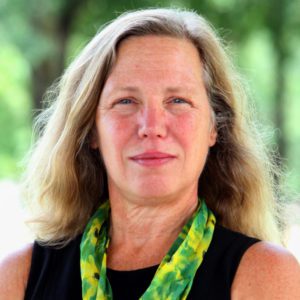
Margaret Flowers, MD, is a mother of three young adults and retired pediatrician living in Baltimore, Maryland. She left medical practice in 2007 to advocate full time for a single payer healthcare system. She served as a Congressional fellow for Physicians for a National Health Program in 2009-10 and is adviser to the board. She co-founded the Maryland Health Care is a Human Right campaign. Flowers was a principal organizer of the occupation of Freedom Plaza in 2011. In 2012, Flowers launched the show Clearing the FOG with her partner Kevin Zeese on We Act Radio in Anacostia. That show continues today as a podcast and on Pacifica Radio. Flowers and Zeese ran It’s Our Economy, which advocated for economic democracy. They organized national and local economic democracy conferences. In 2013, Flowers and Zeese co-founded Popular Resistance, a daily movement news website that covers resistance campaigns and work to create alternative systems in the United States and around the world. Popular Resistance also organizes campaigns and participates in coalitions on issues for economic, racial and environmental justice and peace. Flowers’ writing has been featured in a variety of progressive online outlets. She was interviewed on Bill Moyers’ Journal twice and has appeared on programs such as Democracy Now, MSNBC, Fault Lines, RT America and others.
________________________________
Esther Iverem
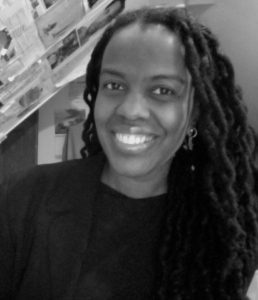
Author, Artist and Activist
Esther Iverem is a multi-disciplinary writer, artist, curator and independent journalist. Her diverse body of work, which includes a show on Pacifica Radio, four books, two digital media projects and several visual art exhibits, is about social justice and human existence. She is a recipient of numerous awards and honors, including a 2018 Fellowship in the Humanities from the DC Commission on the Arts and Humanities and a National Arts Journalism Fellowship at Columbia University.
Radio Host and Producer of “On The Ground Show.”
Former Professor at Howard University
Former Culture Writer and Critic at The Washington Post
Former journalist at New York Newsday
Former journalist at The New York Times
Studied journalism at Columbia University
_____________________________
Medea Benjamin
Medea Benjamin is the co-founder of the women-led peace group CODEPINK and the co-founder of the human rights group Global Exchange. She has been an advocate for social justice for more than 40 years. Described as “one of America’s most committed — and most effective — fighters for human rights” by New York Newsday, and “one of the high profile leaders of the peace movement” by the Los Angeles Times, she was one of 1,000 exemplary women from 140 countries nominated to receive the Nobel Peace Prize on behalf of the millions of women who do the essential work of peace worldwide.
She is the author of ten books, including Drone Warfare: Killing by Remote Control and Kingdom of the Unjust: Behind the U.S.-Saudi Connection. Her most recent book, Inside Iran: The Real History and Politics of the Islamic Republic of Iran, is part of a campaign to prevent a war with Iran and instead promote normal trade and diplomatic relations.
Her articles appear regularly in outlets such as The Guardian, The Huffington Post, CommonDreams, Alternet and The Hill. Medea can be reached at: medea@codepink.org or @medeabenjamin.
_____________________________________
Eleanor Goldfield
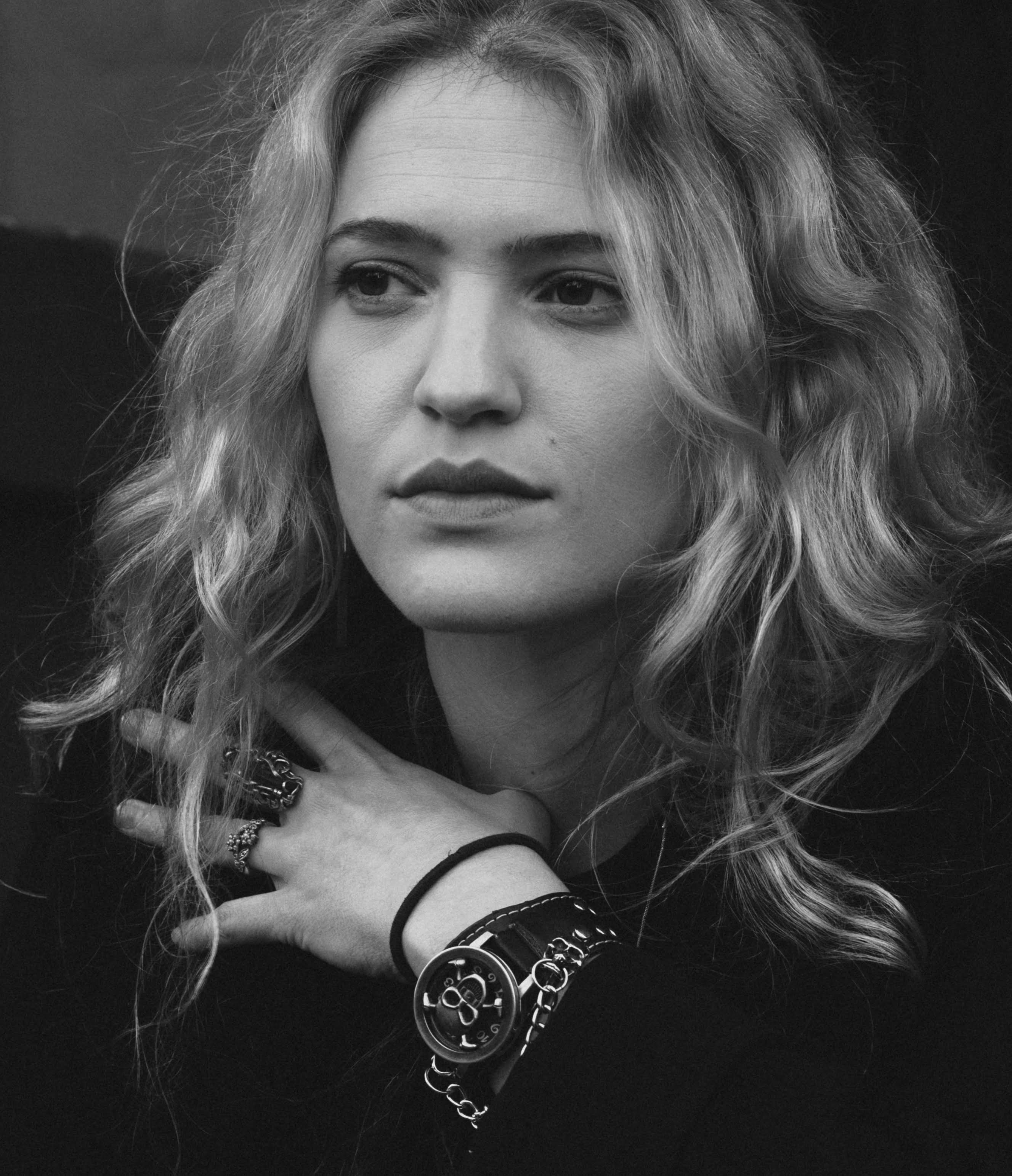
Journalist, Filmmaker, Creative Activist
Eleanor Goldfield is a creative radical, journalist and filmmaker. Her reporting work has appeared on Press TV, RT America, and Free Speech TV where she produced and hosted the weekly radical news show, Act Out! for five years. It was the second most watched program on the network.
Her print work has appeared via Mint Press News, ROAR, Popular Resistance, Truthdig and more.She is currently a board member of the Media Freedom Foundation.
Her first documentary, “Hard Road of Hope,” covers past and present radicalism in the resource colony known as West Virginia. Thus far, the film has garnered international praise, a best woman filmmaker award and has Official Selection laurels in 8 film festivals including Cannes Independent.
Previously, she founded, fronted and managed the political hard rock band, Rooftop Revolutionaries who released four albums and toured throughout the United States, opening for celebrity acts such as Tom Morello on several occasions. Their music has appeared in films, on radio and TV.
Her first book, a compilation of spoken word poetry, Paradigm Lost, was released in 2016 and received critical acclaim for the combination of radical poetry and radical visual art, as each poem is accompanied by artwork from artists around the world such as Tammam Azzam, Recycled Propaganda, Lucy Dyer and more.
Currently, Eleanor is the host of the podcast Act Out! and the co-host of the podcast Common Censored along with Lee Camp as well as the Silver Threads Podcast with carla bergman. She regularly contributes to several other podcasts including By Any Means Necessary, Economic Update with Richard Wolff, Fault Lines and more.
Her work as a community organizer is based on mutual aid principles and direct action.
As an artist, her work typically combines live music, spoken word and projected visuals. Besides touring, performing and media work, she also assists in frontline action organizing and activist trainings.
Dr. Donna Allen’s Life Work
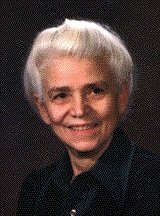
Donna Allen, born August 19, 1920, would be 100 years old if she had lived this long. Donna, who founded the Women’s Institute for Freedom of the Press in 1972, had a remarkable ability to analyze issues, to articulate that analysis, and to transform her ideas into practice.
For Donna, the most important issue to address was how to develop a viable communication system in which all people have the opportunity to speak for themselves, reaching the widest possible audience. Equality of outreach is a crucial element of media democracy. If some people (or conglomerates) can reach the majority of the population out of proportion to other voices, this power imbalance can make it difficult, if not impossible, to have a true democracy.
Currently in the U.S. just five conglomerates reach over 90% of the population. The majority of the people in the U.S. have no means to get their information out to that many people to counter such power.
These issues drove Donna to examine the current media system and formulate ideas about what is needed in order to truly develop a communications structure where everyone who chooses to, can communicate their information, perspectives, and ideas relatively equally. Her recognition that media democracy specifically is critical for true democracy and for justice for everyone. She developed a media philosophy to aid us in that direction. Her life of activism helped her see what needs to be done for a radical restructuring of the communications media in order to obtain media democracy.
Donna Allen’s Early Activism
Donna, an economist and author, had an intelligence that analyzed what was going on around her and motivated her to activism. In 1947, Donna did support work in the Chicago area for Highlander Folk School of Monteagle, Tennessee, a pioneering effort in integration and education of Southern workers, and drove down to Highlander in July of that year. She was active in the Progressive Party.
Donna was deeply involved in the field of labor relations. She did economic research for various trade unions, including the American Federation of Labor Metal Trades Department. As an employee of the National Labor Bureau in 1948 she did research for the Railway Brotherhoods. In 1949, having been appointed by President Truman to the Presidential Emergency Board, she heard emergency cases in industrial relations.
From 1953 through 1955, Donna taught at Cornell University’s School of Industrial and Labor Relations. Her political activism intensified during this time. Donna worked passionately on the campaign to defend the innocence of Ethel and Julius Rosenberg and to prevent their execution as spies. In 1953 she worked against the Central Intelligence Agency involvement in overthrowing the newly elected government in Guatemala. Donna also became active in the League of Women Voters’ Freedom Agenda Study Project. She participated in its workshops on such topics as government loyalty oaths and freedom of expression.
After moving to Washington, DC, Donna took her children to join her in demonstrations against the Pentagon to prevent the U.S. from trying intervene in the Cuban revolution, threatening invasion. She also involved her children in picketing the DC area amusement park, in Glen Echo that did not admit black families. The demonstrations were effective in opening up the park in 1961.
Peace and Disarmament
Peace and nuclear disarmament were of prime importance to Donna. In 1959 she began working with the Women’s International League for Peace and Freedom (WILPF) and the National Committee for a Sane Nuclear Policy. She joined their efforts to inform the public how dangerous nuclear weapons build policies were, and how crucial it was to prevent the spread of nuclear weapons. She became a member of the national Legislative Committee of WILPF and later served as the committee’s chair, as well as being a member of the WILPF National Board.
In 1960 she joined the staff of Vermont Congressman William H. Meyer to assist in the fight he had initiated in Congress against extension of nuclear weapons to Germany. She also worked on his campaign for re-election, writing campaign brochures and fliers, and even made a trip to Vermont to explain the congressman’s votes on the nuclear issues.
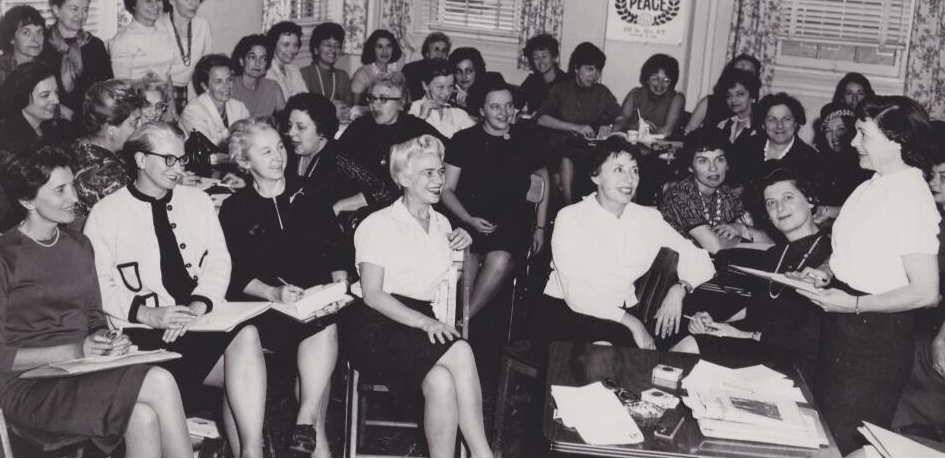
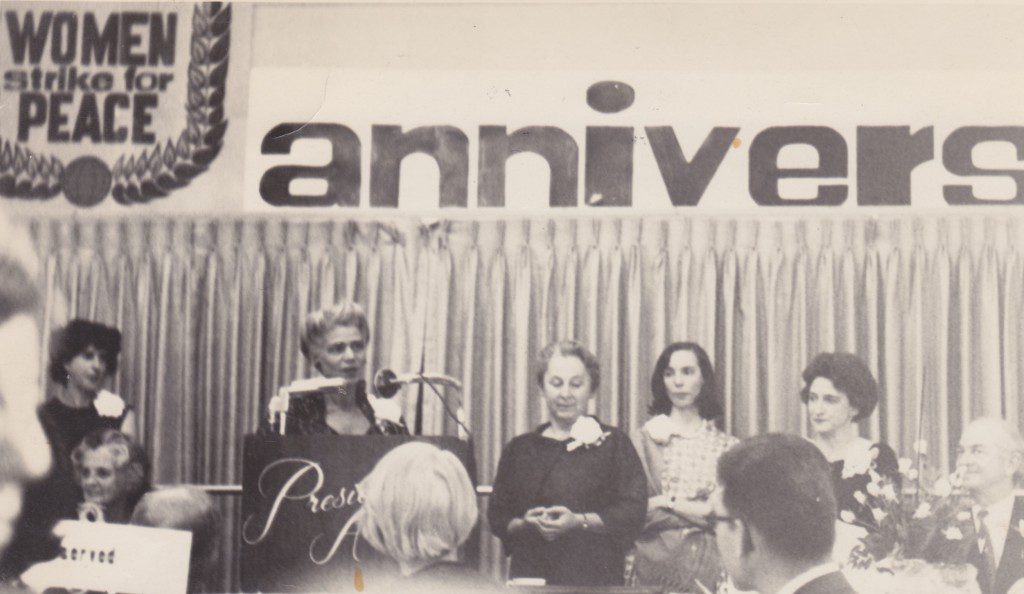
In the fall of 1961 when the United States and the Soviet Union ended their moratorium and resumed nuclear testing in the atmosphere, Donna was among those who founded Women Strike for Peace (WSP), an organization that began with a national protest by women on November 1, 1961. Donna led the delegation that day to the Soviet Embassy in Washington, DC. Another delegation led by Dagmar Wilson of WSP in Washington went to the White House.
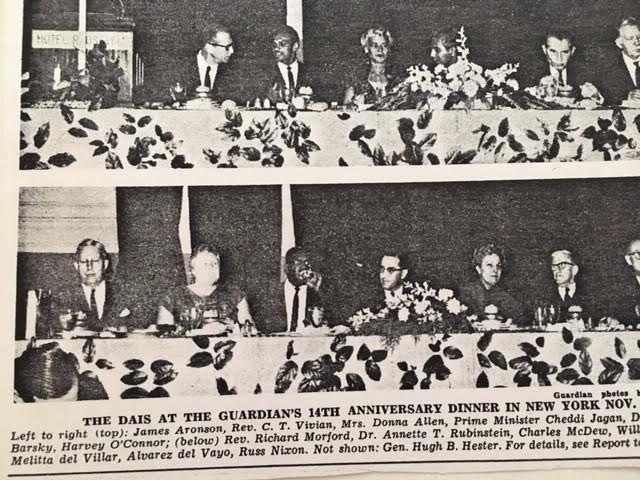
She is seated between Rev. C.T. Vivian and Prime Minister Cheddi Jagan
To combat the efforts made to silence First Amendment freedoms of speech, press, assembly, and petition, in 1961, Donna helped to organize a local Washington Area Committee to Abolish the House Un-American Activities Committee.
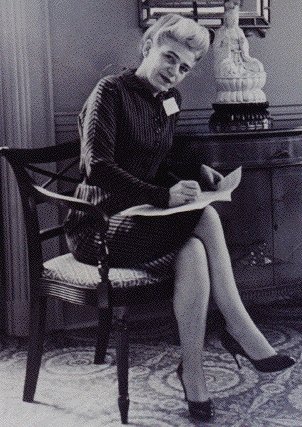
Between 1961 and 1964, Donna, who had an MA in economics, wrote about the economics of disarmament. She was a delegate to the annual meeting of WILPF in 1962. She testified before Congress and at national and international conferences, such as the International Arms Control and Disarmament Symposium in Ann Arbor, Michigan, in January 1964, and in December 1964 at the Conference on Economic Aspects of Disarmament in Vienna, Austria. After the Vienna conference, she went to Paris, France, where she joined a 15-nation European demonstration against a nuclear North Atlantic Treaty Organization and was arrested. She and the others who were arrested spent some six hours in a French jail. She spoke at that evening’s rally, sharing the spotlight with Eve Curie and other notables, before an audience of thousands.
Donna Takes On HUAC
On November 19, 1964, Donna, along with Dagmar Wilson, and Russ Nixon, general manager of the National Guardian in New York, received subpoenas to testify before the House Un-American Activities Committee (HUAC) in Executive Session. They were to be questioned in secret in connection with visits they had made to the State Department in 1963 to urge that an entry permit be granted to a Japanese peace movement leader who was scheduled to give a 10-day lecture tour in the United States. The State Department in fact granted his request for a visa.
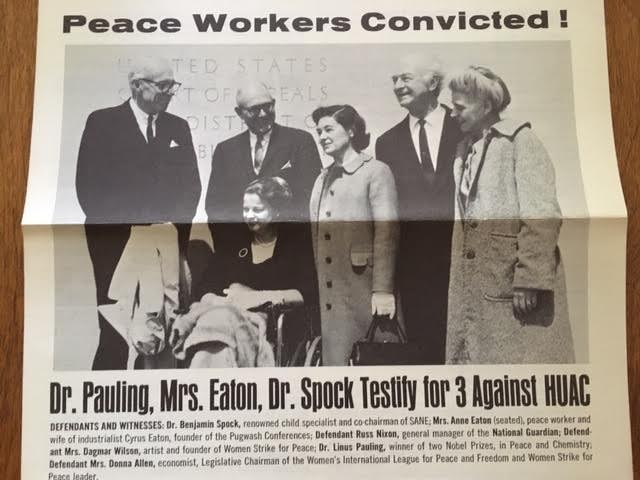
All three refused to testify before HUAC in secret session and demanded that the press and public be admitted to the hearing room. At a meeting of four HUAC members, the committee refused to grant open hearings and later voted to recommend contempt citations. Donna Allen, Dagmar Wilson, and Russ Nixon were cited for contempt of Congress, tried in federal court on April 7, 1965, and convicted and sentenced on June 4. In early December 1965, Donna began working as the Washington Representative for the National Committee to Abolish HUAC.
A support group of prominent Americans was established called Defenders of Three Against HUAC. Several members of the group testified at their trial. After much publicity, speaking tours, and media appearances, the conviction was overturned in the Court of Appeals on August 2, 1966.
Donna’s work in Washington with the National Committee to Abolish HUAC was a key factor in the abolition of HUAC in 1975.
National Leader for Peace and Justice
In 1965, combining her commitment to civil rights and her opposition to the war in Vietnam, Donna wrote, published, and distributed thousands of copies of a publication entitled What’s Wrong With the War in Vietnam.
Donna had become a national leader in the anti-war movement. She traveled across the country several times speaking in numerous cities. She regularly spoke at rallies on the East coast. In 1965, for example, she addressed the Vietnam Peace Parade in New York City and a 1966 rally in Philadelphia. In July 1967, she was featured at an all-day peace workshop for women in the gardens of Dr. Linus and Ava Helen Pauling in California. Malvina Reynolds, a Berkeley-based internationally known composer, guitarist, and singer of peace songs, performed at the program. In May 1969, Donna, Julian Bond, and others spoke at a rally for peace and justice in Pittsburgh.
Donna took part in many joint efforts on behalf of peace and justice issues. In August 1965, she was one of 31 individuals who called for and organized the Assembly of Unrepresented People. She was active with the International Days of Protest, Mobilization to end the War in Vietnam, the Fort Hood Three, Vietnam Summer, Tri-Continental Information Center and the October 21, 1967, demonstration at the Pentagon. Donna was an organizer for the Jeannette Rankin Brigade, held in January 1968, and in June 1968 for the Poor People’s Campaign. She worked with the civil rights movement in its efforts to win political recognition for blacks in state and national electoral politics.
Increasing Emphasis on Media Democracy
From 1967 onward, Donna focused increasingly on media democracy issues. Newly elected to the Board of Directors of the National Conference for New Politics, Donna spoke at its major convention in Chicago in September 1967. Several thousand people attended this convention. Donna gave her talk on the issue of the media. A photo of her on the speaker’s platform with Dr. Benjamin Spock, Reverend William Sloan Coffin, Jr. and Dick Gregory, appears in Gregory’s book Write Me In!, published in 1968 when he ran for president as a write-in candidate.
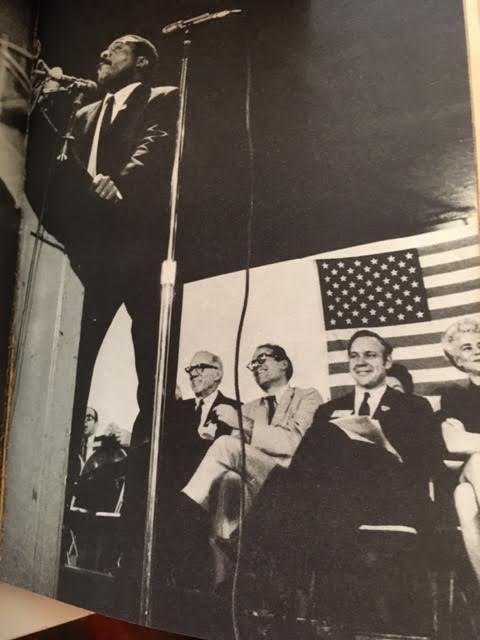
From then on her speeches were all focused on the role of mass media. She gave media-related speeches at peace demonstrations in Washington, the Jeannette Rankin Brigade in January 1968, and at the Peace and Freedom Party convention in New York in 1968. “I had come to the conclusion,” she wrote, “that even when using all forms of communication that we could devise, and despite great numbers, we still could not match the number of people that the relatively few mass media owners could reach with their information and opinions.
“It was more than clear to me out of my experience that their vastly superior ability to reach the majority of the public 24-hours a day gave them the power to disseminate name-calling and successfully persuade the public not to listen to our information, opinions and facts. Their news stories gave little or no space to the message our activities were trying to convey but a great deal of space for attacks on us … Mechanics of demonstrations, numbers of people, police actions, were reported but not our message. These media were not ‘our free press’; they did not speak for us or report our news. Our press conferences were usually ignored, and when they weren’t the coverage was often derogatory.”
In July 1968, Donna published an article in The Liberated Voice, Syracuse, NY, entitled “Up Against the Media. In this article she critiqued the media, discussing its concentration in the hands of a few and its effect on democracy. Donna documented the concentration of ownership in print, radio, television, and in the news services. She wrote about how the mass media silenced criticism of the status quo and of U.S. policies.
On May 24, 1969, Donna gave a speech titled “The Mass Media Monopoly” at the March and Rally for Peace and Justice in Pittsburgh. Donna talked about the consolidation of media ownership in fewer and wealthier hands. She described the history of the press in America. She discussed how profitable media ownership is and how the media networks own other businesses, including those with war contracts. “At what point will we begin to do something about it?” she asked. “I suggest that the time is now.”
The Southern Conference Educational Fund reprinted her “Mass Media Monopoly” speech entitled “So You Think You Have a Free Press?” The pamphlet was published in January 1970 when one of Donna’s daughters was jailed on a free press case while active in the southern civil rights movement.
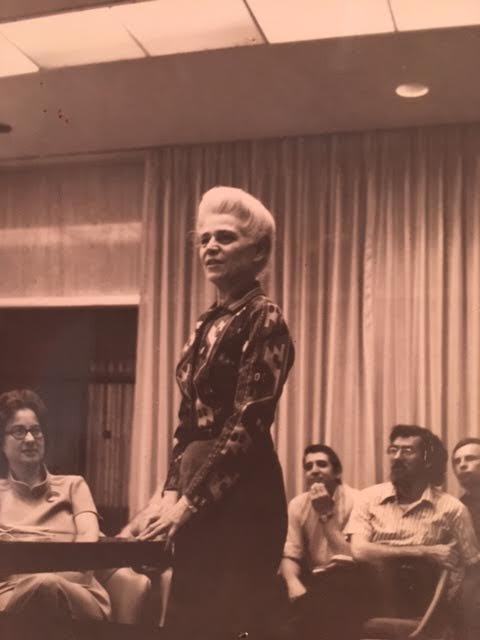
In 1968 Donna organized a media group called American’s for Equal Access to the Media. She had to take time out to revise her book on fringe benefits for a second edition and the group was not strong enough to survive without her attention. In the meantime she had done more thinking and, by early 1972, she knew that the organization that was needed would have “women” in the title. Experience told her that it would be primarily women who would expand freedom of the press to those who did not have it. Most men resisted the ideas she discussed and tried to argue with her. Women, on the other hand, responded enthusiastically, and seemed to understand the need for people to be able to speak for themselves, rather than have others portray them. Donna also chose to omit the word access in the name because she did not want to imply in any way that the solution to lack of media democracy is access to anyone else’s media. In 1972, WIFP was born.
Women’s Institute for Freedom of the Press
While working to abolish HUAC, Donna had enrolled at Howard University in Washington, DC. In 1971, she added a Ph.D. in history to her M.A. in economics. By 1972 she was ready to embark on her life’s work fighting for media democracy, the work of the WIFP. Eager to let others know “what women are doing and thinking about the communications media,” she immediately began publishing Media Report to Women.
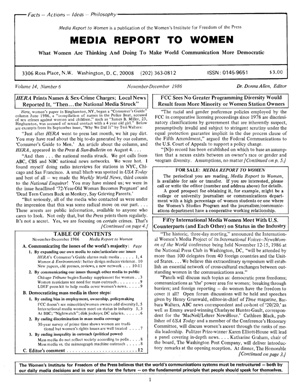
In addition to the monthly report, WIFP published other publications including Women in Media: A Documentary Source Book, and an annual Directory of Women’s Media. Donna also collaborated with other women to write books in the field of communications.
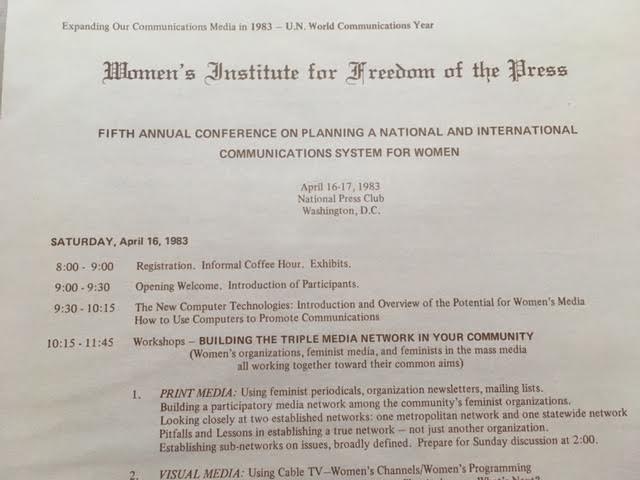
Donna and WIFP organized a series of annual conferences with ambitious goals to increase communications among women. The seven conferences were titled the Annual Conference for Planning a National and International Communications System for Women. The first six of these were held at the National Press Club in Washington, DC, which had just admitted women to membership.
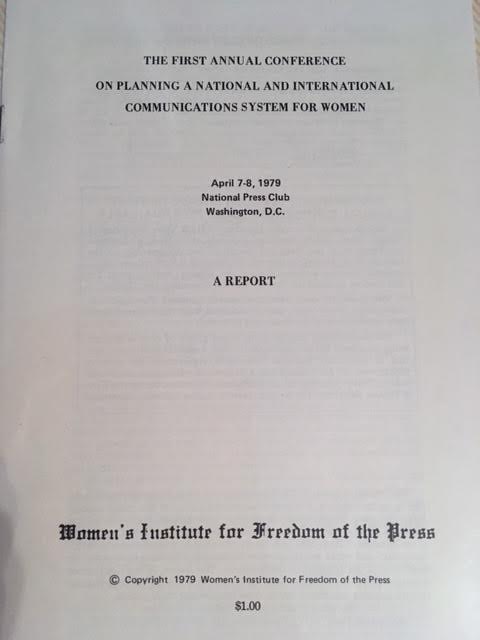
Each year the attendance at the conferences grew. The 1982 conference was attended by 124 women from 32 countries. These conferences stimulated ideas abou what needed to be done to increase communication among women and bring women’s voices to the public. Many projects were born, including some using sophisticated technology to communicate women’s messages.
In 1980 at the annual conference, Donna and WIFP launched one of the most ambitious communication technology projects, a satellite teleconference. This 4-hour international interactive teleconference by satellite between the Second United Nations World Conference on Women in Copenhagen, Denmark, was an historic event. Five years later, during the United Nations World Conference on Women in Nairobi, Kenya, WIFP organized the satellite teleconferences again, this time including several other countries.
As a result of her work over the years she received recognition from many groups. For example, in 1979 Donna won the Headliner Award, the highest award bestowed by Women in Communications. Inc. At the 28th annual Broadcast Industry Conference meeting in San Francisco in 1980, Donna received the Broadcast Preceptor Award for leadership in extending First Amendment guarantees to women. In 1983 she won the Wonder Woman Award from the Wonder Woman Foundation.
Donna worked tirelessly to develop her ideas and philosophy on the creation of a democratic communications system. Her media philosophy contains many straightforward ideas that can be applied to analyze how we might get closer to media democracy. One such issue is the importance of people being able to communicate their information directly to others without having to request inclusion in someone else’s media. Although equality of outreach is also an important issue, without being able to communicate your message directly, distortions and inaccuracies will continue to occur. She was an advocate for women utilizing electronic media in the early days of the Internet.
Donna always believed strongly that working on democratic media issues is necessary to bring about the changes that she felt are needed in the world. The WIFP continues to utilize her ideas of how we head toward a democratic media system and to share this media philosophy with others in this endeavor.
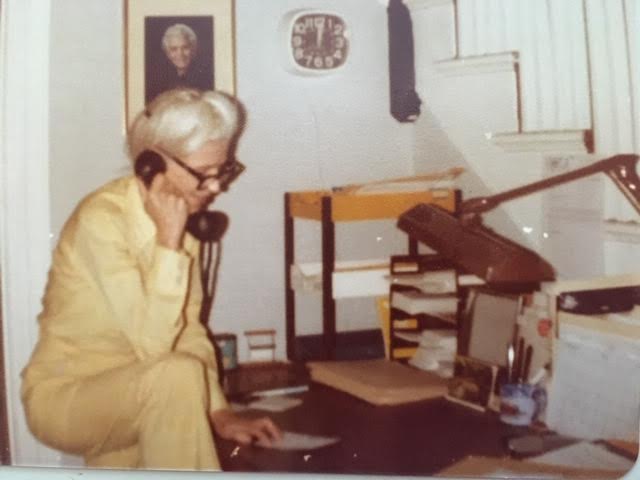
To get all the things done that she envisioned, Donna rose at 4 am and was active until 10 pm. She loved the early hours because she was able to get so much accomplished before the phone started ringing and the day’s activities began.